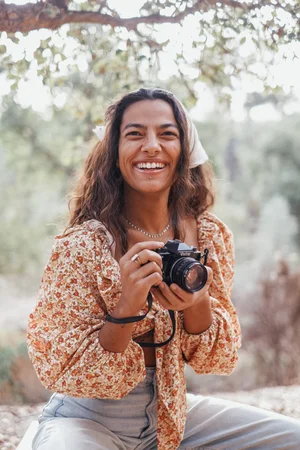
Looking back at summer + wildfire season musings
I’ve finally sat down to write after what felt like a never-ending summer. I’m nestled on our wooden windowsill in the bedroom, honey-golden veined wood softened by years of sitting and caressing, with a nourishing nettle infusion by my side. But this last week, I’ve finally pulled my woollen jumpers out in the early morning and experienced a good rain soak.
Summer started well, don’t get me wrong. Spring was rainy and muddy, which set us all up with plenty of water above and below ground level. But summer brought, as expected, a dry spell. And hot days that dragged on, day after day, week after week after week, making me long for nothing less than a summer type of hibernation.
And wildfires. Rings of wildfires, columns of smoke, and the constant feeling of fear. Though after more than a decade of living rurally, we have gotten used to the reality of wildfires, this summer felt like a turning point.
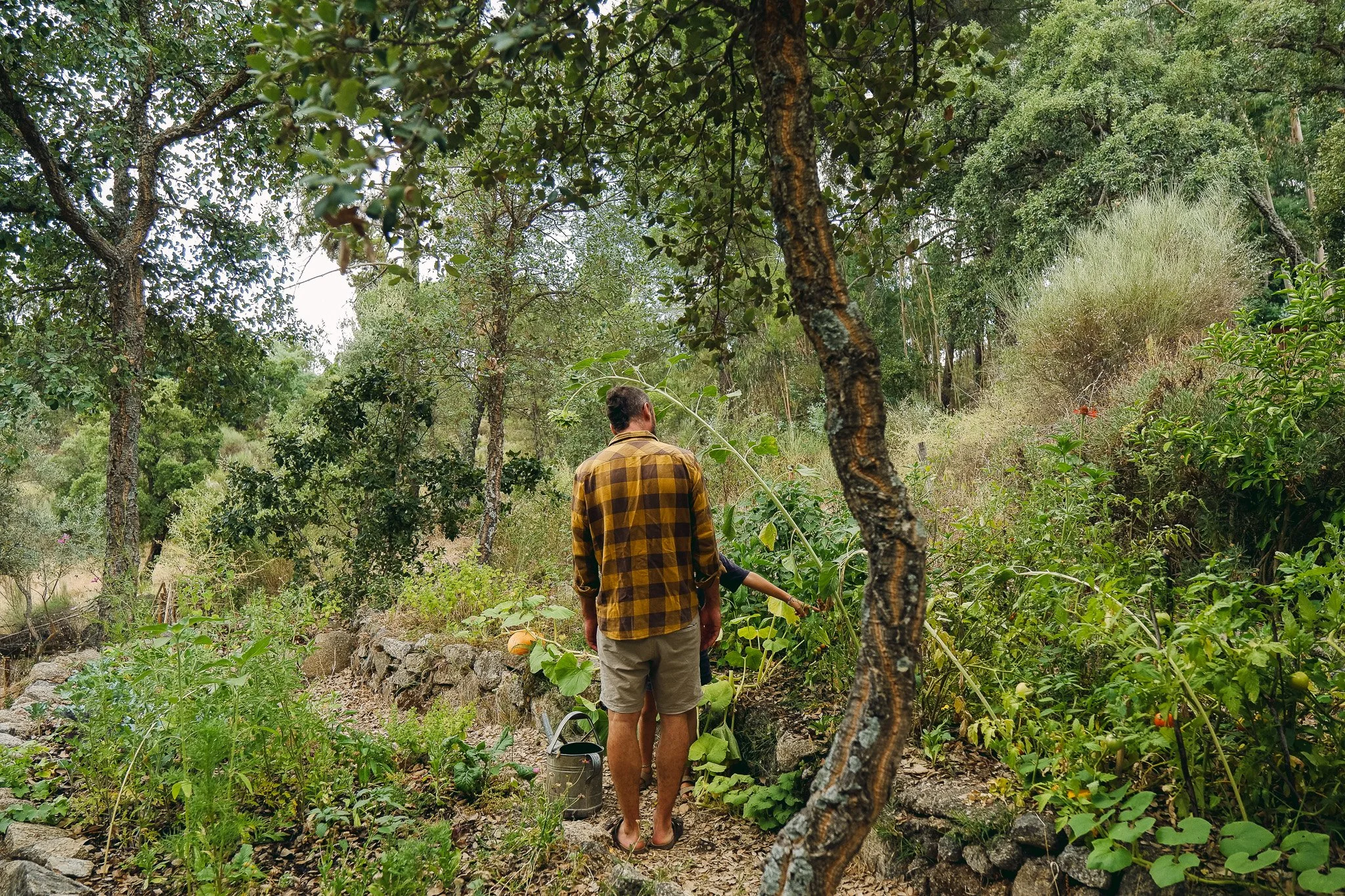
Here are some stats:
🔥 81% of the country is classified as a rural area (source);
🔥 Approximately 30% of Portugal’s rural lands have no known owner (source);
🔥 10% of the total area of mainland Portugal is occupied by eucalyptus (source). Not sharing this to vilify any species, only to highlight that a monoculture of a so-called invasive species has taken over so much of the territory for economic reasons. To add to this number, it’s important to acknowledge that many eucalyptus groves have in the meantime been abandoned by their owners, creating dense, large masses of highly combustible material;
🔥 Portugal is the European Union country with the highest percentage of burnt land (source);
🔥 This year alone, 2025, 3% of the whole country has burnt (source).
Fire is a part of the landscape and, in many cases, needed for undergrowth management and ecosystem health. The problem, however, is that the conditions for what would otherwise be a small fire to grow uncontrolled and spread to abandoned forests, growing in dimension and strength, are all here. Abandoned land, tree monocultures, lack of cultivated plots that act as fire barriers, rural exodus, unrelenting climate change and drought… It’s all just the perfect storm.

Like most people who live in a rural area in a drying landscape, we’ve been in contact with wildfires, though always from a so-called safe distance. You see the smoke rising, the ashes raining down, you scent the smoke burning your lungs a little bit.
But this year, wildfires raged way too close to home. Our emergency bags were packed and ready to go for most of the summer. Emergency exits planned.
And friends and neighbours lost their houses and their everything. We witnessed the community rally in support (including the learning curve of understanding how to help, what is urgently needed, and how to continue it over time), through supplies collection, crowdfunding, benefit dinners, and building and restoration help. This was very heartwarming, a flicker of goodness in a heartbreaking situation.
So yes, summer was filled with dread, with never knowing whether the fire would return to finish its job, whether firefighting teams would be well-equipped to fight it again, while countless other fires raged simultaneously. If someone would come for us if our house, so far from the village, was burning, or if we had to just leave (the answer was: free the animals, open the fences, just leave). Summer equaled anxiety, worry, sadness for our friends, for the ecosystem, for the more-than-human species who lost habitat and food sources. To put it bluntly, it was utterly crap.
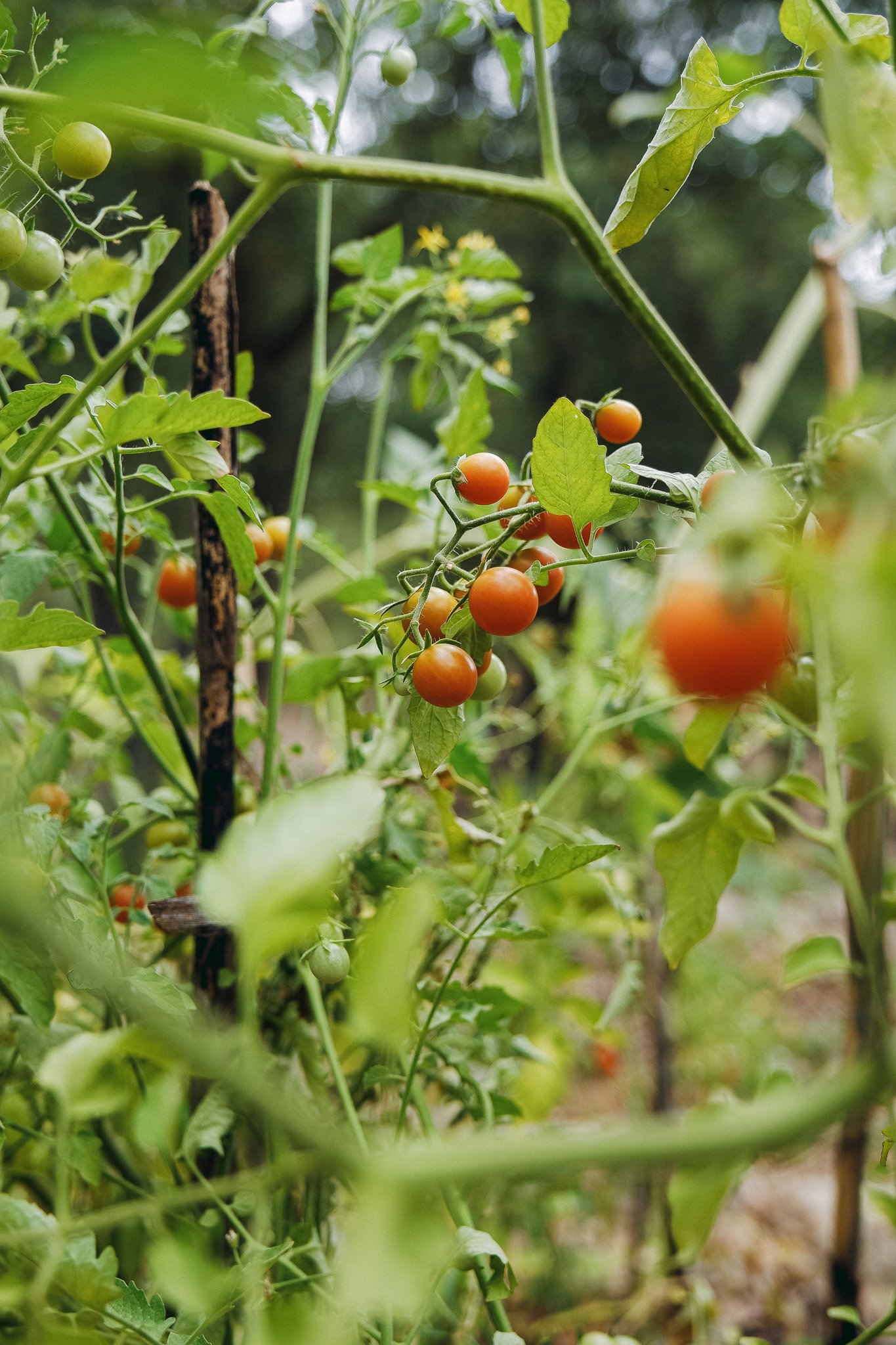
And this is why I said earlier that this summer felt like a turning point. I think it took us being so close to losing the home we’ve created together to realize that we need to invest so much more (time, energy, resources) into actively protecting it. We got home insurance, for one, something we never thought we’d do one day!
But more than that, we’ll need to put other projects we’ve been planning for on the back burner and direct those allocated savings into different things. Here’s our short list, which may grow over time, of non-negotiables for a better prepared wildfire season:
🌳 higher water pressure from our water tanks (which are already feeding the house via gravity);
🌳 sprinklers around the house to keep the ground moist if a fire approaches;
🌳 sprinklers on the roof to protect the wooden roof frame and prevent embers from getting in and catching fire to the structure;
🌳 laying gravel around the house to avoid burning grasses, which spread fire fast;
🌳 better land clearing in a wider range around the house (50 meters), which means saying goodbye to many well-beloved trees, but maintaining native trees and fruit trees;
🌳 more fenced area for our sheep to graze! They’ve been doing an incredible job keeping bushes controlled and grasses low, all with minimal resources (unlike a strimmer, for example). By fencing more grazing areas, they can keep more overgrowth under check.
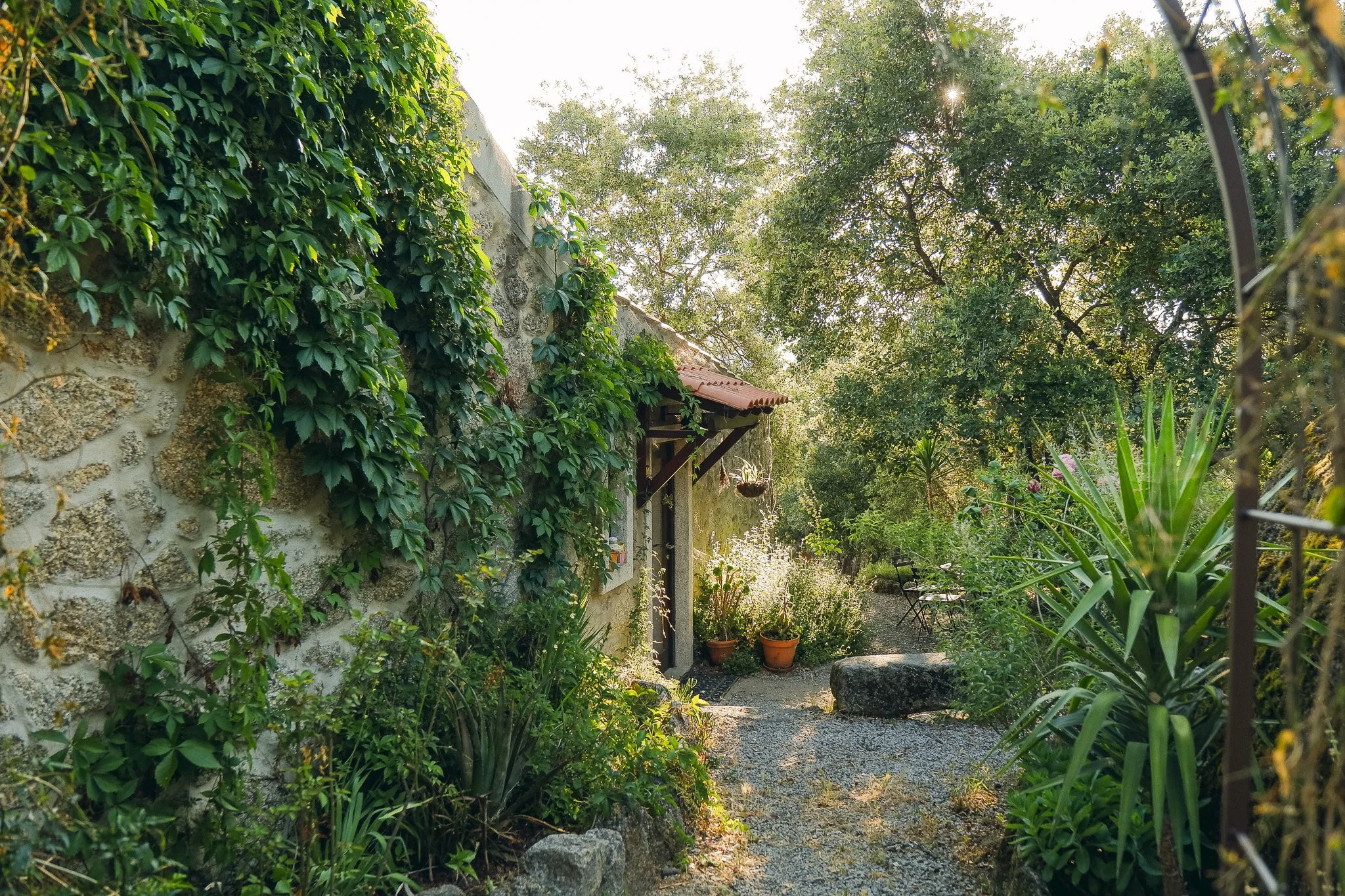
I think this is all for now, but more things may come. If you live, or have lived, in a wildfire-prone area, I’d love to hear what some practical steps you are taking for better protection. Care to share?
Embracing autumn and calling in more rain,
Cat 🍂
Some stray links pollinating the internets:
🐝 País de Incendiários, a deep and thorough investigative podcast exploring the reality of wildfires in Portugal
🐝 For the Wild podcast episode with Dr. Chad Hanson, on the Myths & Misinformation of Wildland Fires. Such an important, perspective-changing listen!