Did someone say acorn "coffee"?
Oh, I did!
Coffee is one of those things, it seems that most of the world population drinks it. But do we really stop to think how sustainable can a crop be when it only grows in specific regions and has to be shipped across the planet, all over the planet?
I'm not much of a coffee drinker - it makes me shaky and sweaty - and I love a cup of herbal tea in the morning BUT I really enjoy it every now and then.
Fast-forward (or backwards!) to acorns. Here in Western Iberia, acorns have been a significant part of the diet of the different People that have inhabited this region. My European ancestors fed on acorns. They mostly milled them into flour, to then bake bread, for example. Acorns, here, are as ancestral as it gets. But then, last century, acorns, like most wild foods, started receiving less attention (thank you, globalization) and, since then, have been mostly used as food for pigs. What a win for pigs, what a loss for us!
Processing acorns for food is hard work, and I have huge loads of admiration for those who do it. Leaching acorns to remove tannins, I feel that I’m not ready to dive into it yet, so I took the shorter route to enjoying them.
Drum rolls please…
Acorn “coffee”! Because it doesn’t need leaching.
I collected holm oak (azinheira) acorns from our Land, since I wanted to try one specific type of acorn, to really get to know its taste. I once heard from an elder that holm oak gives the sweetest acorns, so it seemed like a tempting option.
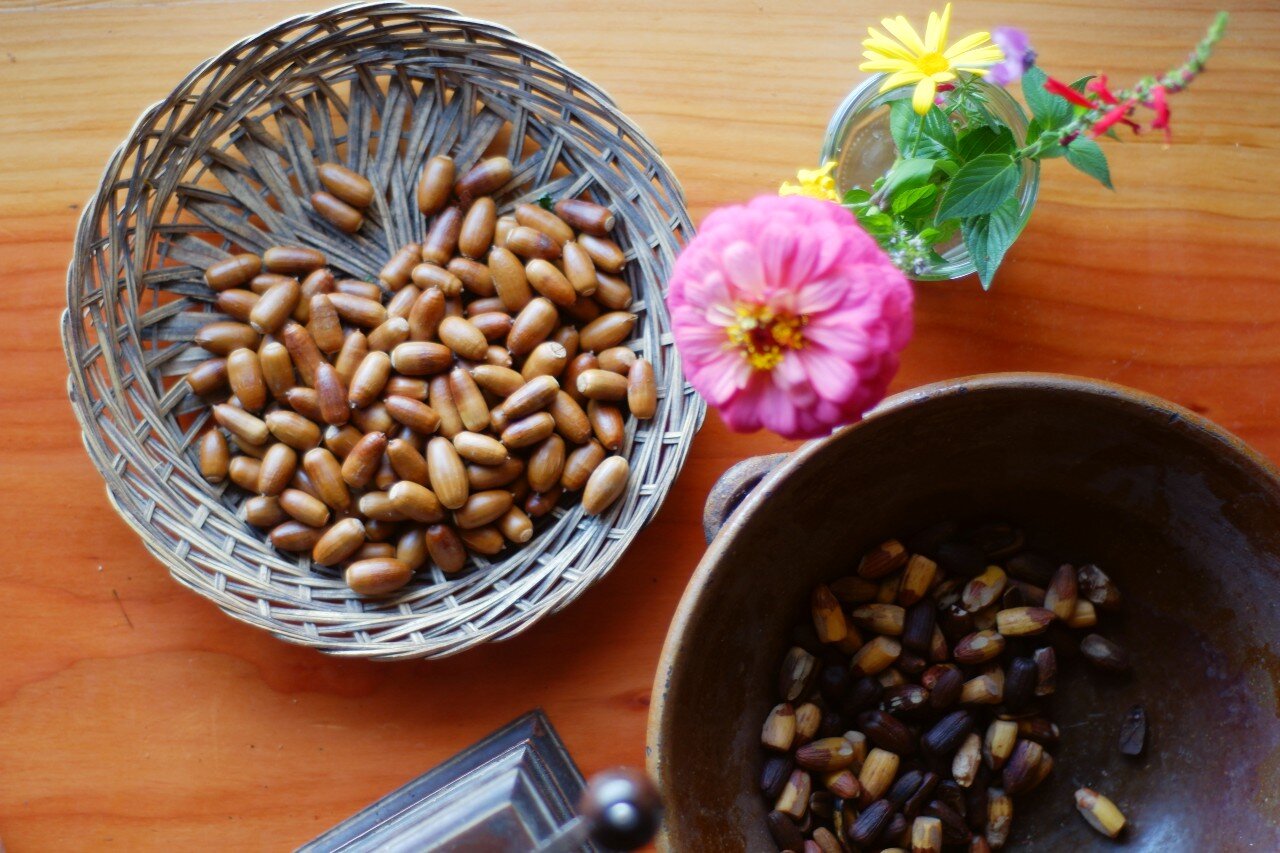
The process was fairly simple:
Roast the whole acorns in the shell (this will make breaking the shells easier)
De-shell them. I just used my hands, and a nutcracker for the harder ones, and could see the difference that the previous step made! They will probably break in half at this point, which is good.
Roast them again, until black. I wish I could tell you temperatures, but I just popped them into the woodstove… They might have roasted for an hour.
Grind them! I used the coffee mill… and screwed it the first time. So then I learnt: break them into smaller pieces if they’re too large. Seriously, pop them in a cloth bag and hammer the crap out of them. Then put them back in the coffee mill - ahh, that’s better"! The grounded product should be black and smell all nutty and delicious.
Brew your cup however you like!
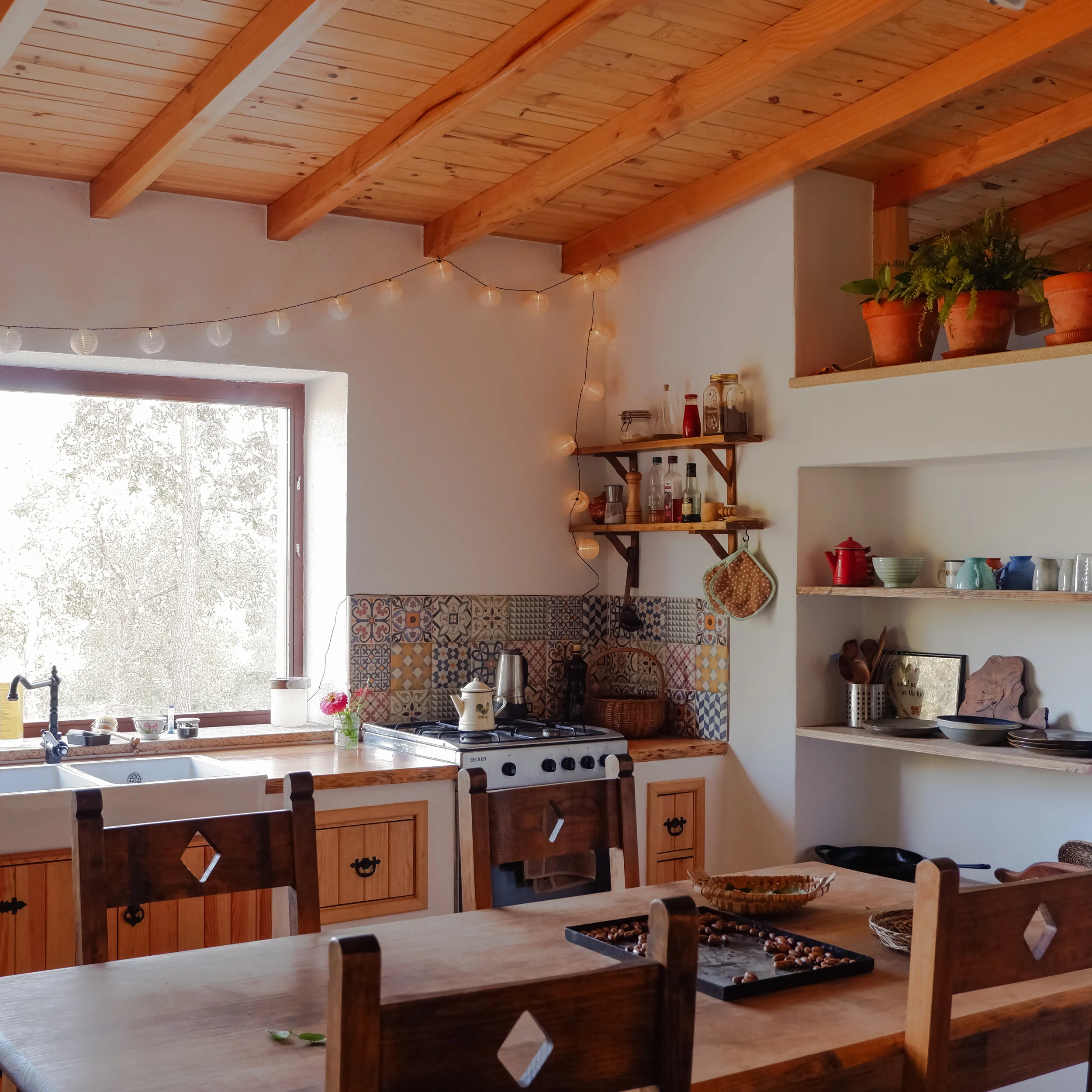
The verdict: soft, pleasant and nutty. The taste was really good, but slightly acidic, which I wasn’t expecting, since I had once tried acorn “coffee” a friend processed using the same method and it wasn’t acidic at all. For this reason, I am assuming that after-taste came from having used holm oak. Different types of oak/acorn have different tastes, so next year I will try something different.
But the utter verdict of all is that reclaiming ancestral practices, decolonizing common practices and going a step further into local eating tastes amazing!
Have you got some acorns where you are? Have you ever tried processing them?
Have a wonderful November, all!