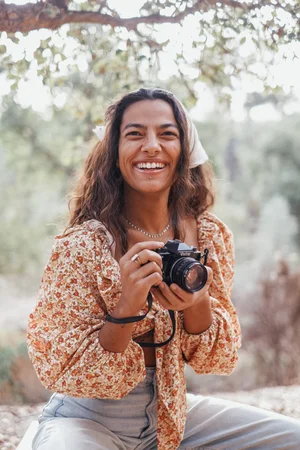
crafting your own herbal seasoning blend
High summer! We harvested our oregano recently, and while those bunches hung to dry in the kitchen, the space was filled with their sweet, pungent, slightly spicy scent. I’m not entirely sure which variety made its way to our garden bed, but it’s strong, very rich in volatile oils, and different from any other oregano I’ve tasted before.
Culinary herbs walk the fine line between food and medicine, and using them in our dishes is an easy way of incorporating herbal magic into our everyday life. They have been a staple part of traditional diets for generations, and it’s not accidental. In fact, most culinary herbs are warming and rich in volatile oils. They can help relax the digestive tract, stimulate digestive juices, and relieve cramping and gas, which makes them not only a tasty addition to dishes, but also supportive of a healthy digestive system.
Many of us are familiar with a popular blend of herbs known as herbes de Provence. Are you, too? This blend has its roots in the south of France and is usually composed of marjoram, fennel, parsley, tarragon, rosemary, and thyme, sometimes oregano, garden sage, or others. Growing up, I’ve always enjoyed seasoning my food with store-bought versions of herbes de Provence. That is, until I got pregnant for the first time. During that pregnancy, I prepared food at a very illegal, definitely not regulated, cooking-in-the-boot-of-the-van kind of stall at a festival where we used this blend profusely, and… Well, pregnancy is a time when some people develop special food preferences or aversions. Somehow, this beloved blend worked its way up to my pregnancy brain and nestled itself among the foods said brain identified as never wanting to eat again. End of story.
To this day, 10 years later, I still don’t know if it was that specific store-bought blend or a particular herb that my body decided it had had enough of. However, I didn’t want to let go of blends of culinary herbs, so I did what I had to: I created my own. And just as I could create my own herbal seasoning blend, so can you.
So here is an invitation for you to think of the culinary herbs you use the most, which ones you grow (or not!), and which blend into perfection in your various kitchen creations. Creating your own herbal seasoning blend is easy and can give your dishes their own signature style (fun!).
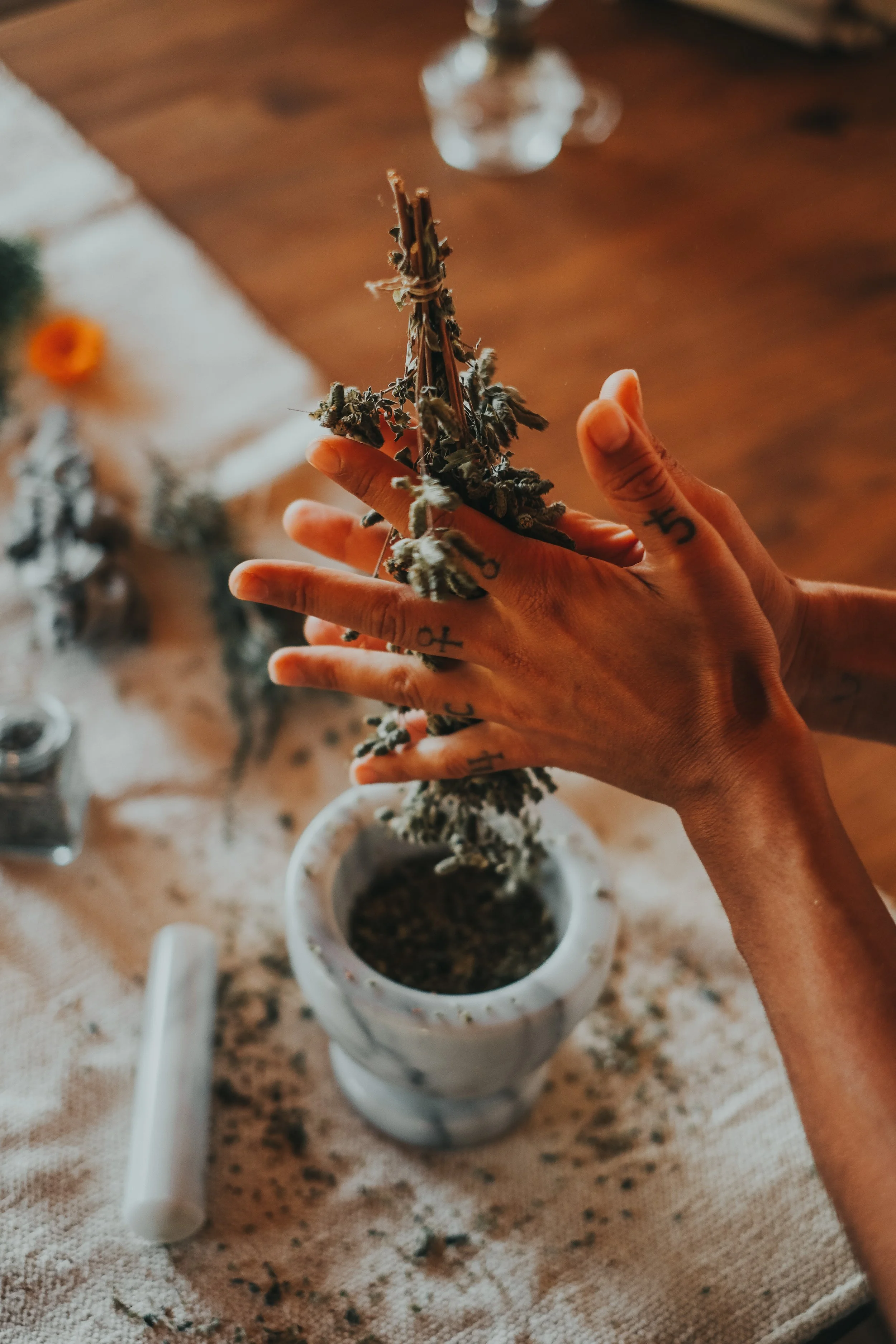
Herbal Seasoning Blend
Makes 1 jar of blend
you will need1 bunch of fresh herbs, a bunch per herb, such as oregano (Origanum vulgare), thyme (Thymus vulgaris), garden sage (Salvia officinalis), marjoram (Origanum majorana), basil (Ocimum basilicum), and rosemary (Salvia rosmarinus). Alternatively, start with ¼ cup of each herb, dry
optional: a handful of fresh edible flowers of choice, a handful per flower, such as lavender (Lavandula spp.), calendula (Calendula officinalis), or borage (Borago officinalis). Alternatively, start with 1 teaspoon of each edible flower, dry.
a pestle and mortar or a food processor
directionsIf starting with fresh herbs and edible flowers, gather your bunches and hang them to dry before preparing your blend (see field notes below).
With dried herbs, using a pestle and mortar or a food processor, powder them as finely as possible.
Start creating your blend by combining the powdered herbs in a jar. You can use equal parts of each herb, or tweak the quantities according to your preference.
For a pop of color and flavor, add in the dried flower petals or buds and swirl everything around until well combined.
To use your new seasoning blend, add it to your food towards the end of the preparation, or once plates are served.
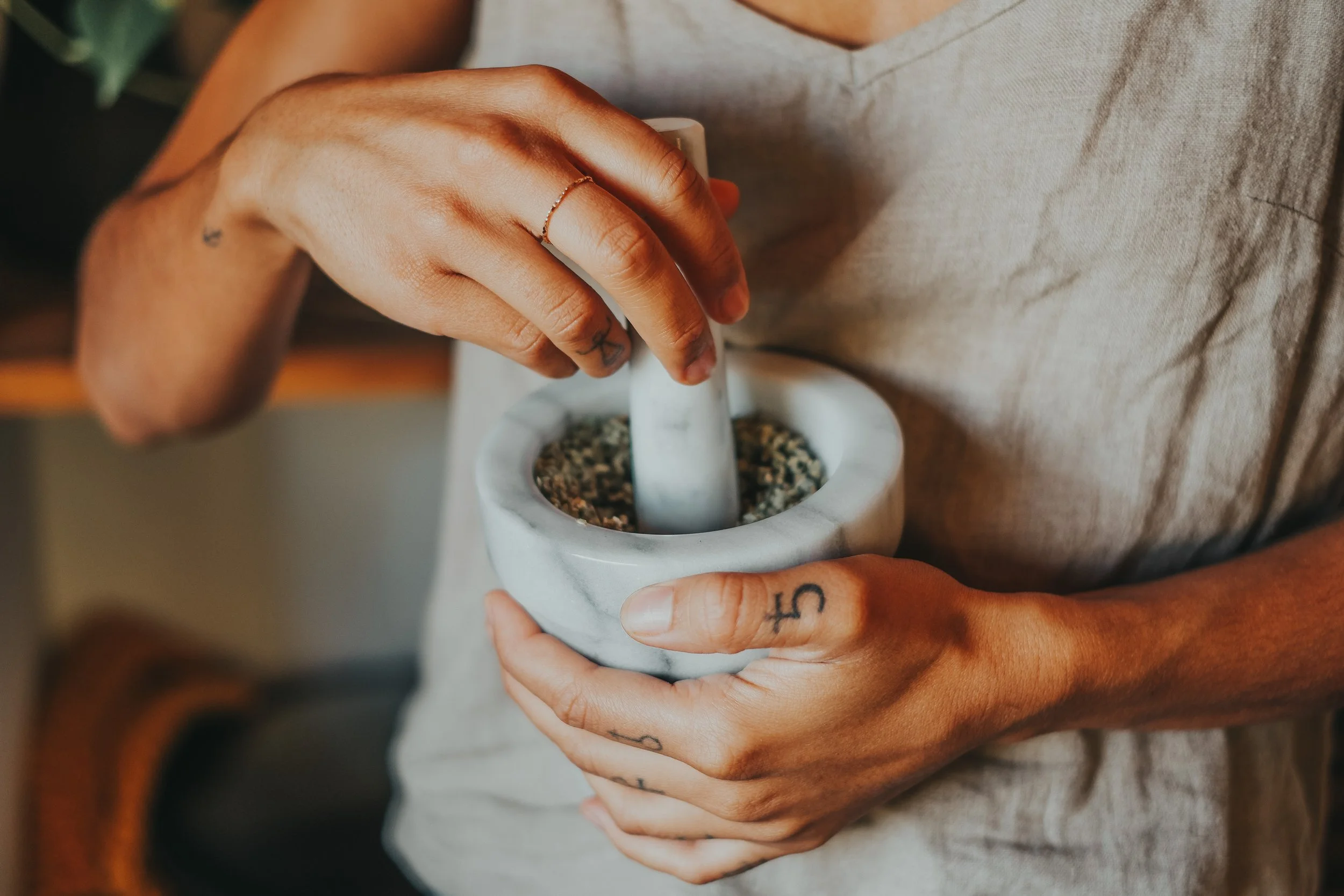
Field notes on drying herbs
Pick your herbs by mid-morning on a sunny day, after the morning dew has evaporated.
Gather your herbs in small bunches with the help of twine at the top. Avoid making overly thick bunches, which might go mouldy on the inside.
Hang your herbs to dry in a warm, dry, shady spot. Drying time will vary according to your climate.
You know your herbs are well dried if the leaves crackle when you crush them between your hands and have maintained most of their colour.
Once they are completely dry, rub each bunch between your hands over a large plate, wide-mouth bowl or piece of fabric to collect the aerial parts.

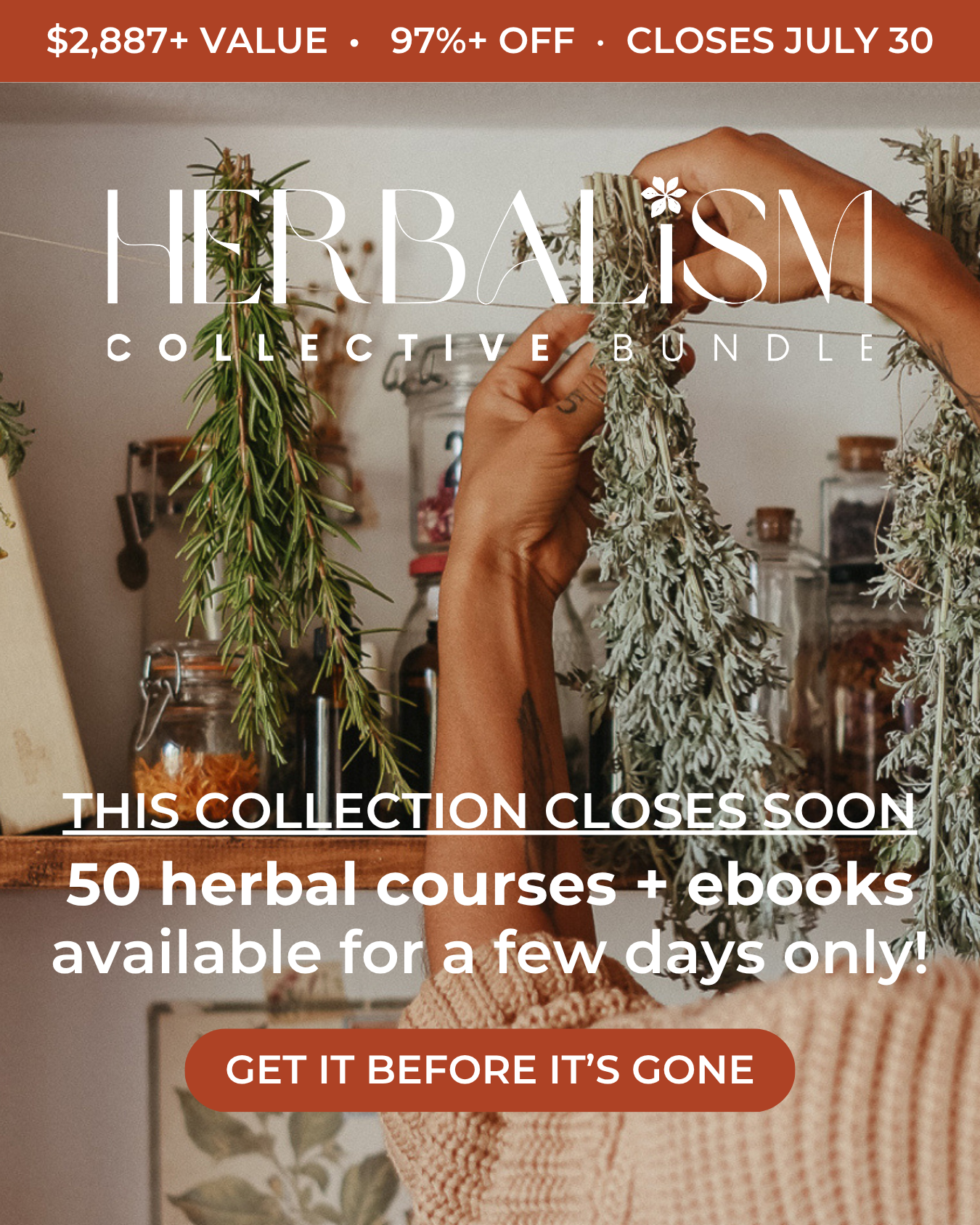
Before ending today’s transmission, there’s something special I want to share with you! Before starting my maternity leave, I was busy with a very special herbal project… and it’s now out there for 10 days only: the Herbalism Collective Bundle!
I had so much fun supporting the coordination of this collective, inviting in herbalists and teachers and their work. Of course, baby F joined us before I could see it through to fruition (as I knew would happen), so I didn’t get to be involved in the later stages of putting it together and preparing the launch. But since yesterday, and for a very limited time, it’s officially open. And I’m in awe at what’s been created, and so proud that I got to be part of the creation of this incredible offering.
And honestly, I’ve never seen anything quite like this!
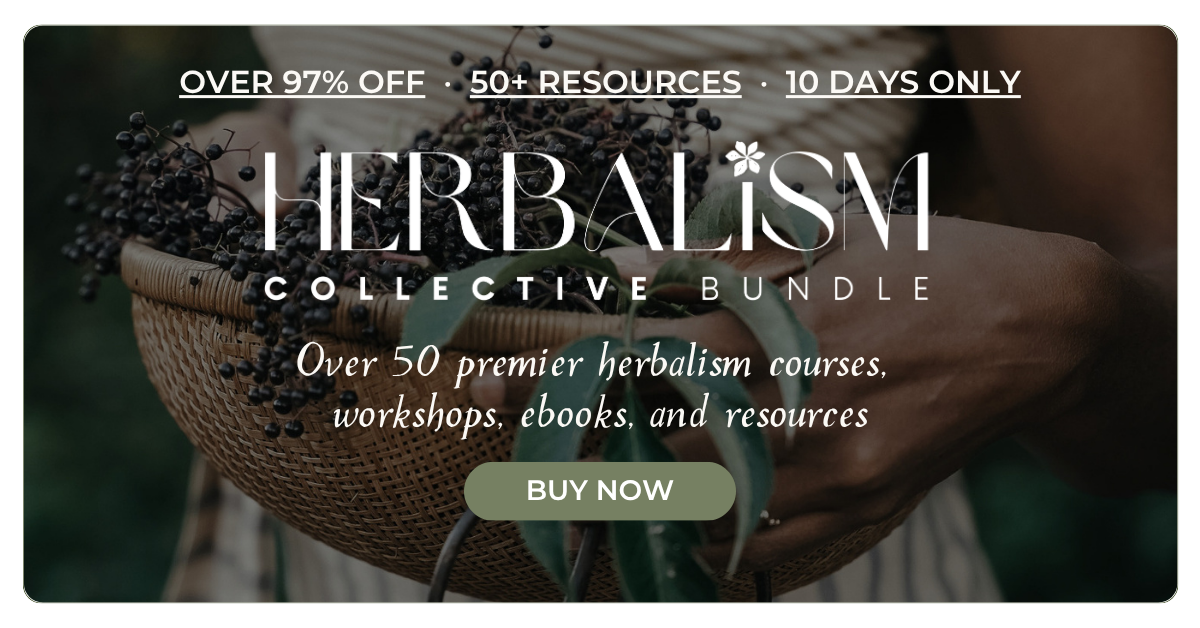
One of my favorite things about herbalism is that there is no single path.
Some people begin by making herbal teas in their kitchens. Others start with gardening, herbal remedies, plant energetics, postpartum care, herbal crafting, foraging, or simply a desire to reconnect with the natural world.
And no matter where we begin, our journey is often shaped by the teachers, mentors, books, and plant people we encounter along the way.
That’s why I love this so much!
This isn't simply a collection of discounted courses, but a rare gathering of some of the most respected voices in herbalism coming together to share meaningful educational resources in one place. Inside you’ll find contributions from beloved herbalists, respected herbal schools, best-selling authors, and renowned creators including:
🌿 Rosemary Gladstar
🌿 Herbal Academy
🌿 The School of Evolutionary Herbalism
🌿 Sacred Science
🌿 Felica Cocotzin Ruiz
🌿 Abril Donea
🌿 Anima Mundi
🌿 Asia Suler
🌿 David Crow
… along with dozens of trusted educators from across the herbal community.
Rather than learning from a single perspective (or signing up for class after class), you'll have the opportunity to explore many traditions, specialties, teaching styles, and approaches to herbal practice all in one place.
Inside the Collective, you can explore:
🌸 Home apothecary skills
🌸 Herbal oils, salves, and remedies
🌸 Herbal energetics and plant wisdom
🌸 Herbal crafting and natural skin care
🌸 Longevity and gut support
🌸 Kitchen herbalism and tea blending
🌸 Seasonal wellness and gardening
🌸 Women's health and wellness
🌸 Nervous system support
🌸 Herbal business and mentorship
In total, you'll receive access to 50+ herbal courses, workshops, ebooks, and educational resources valued at more than $2,887.
The best part is that the collective brings it all together for a much more affordable price: $67 until July 28th!
Gushing over this… I love my team and what we create together!

Let me know what this high summer brings you, be it your very own herbal seasoning blend to your kitchen shelf, or new herbal knowledge to your ever-growing library (or hopefully both!).
With love and herbs,
Cat 🤎